6 trends from CPHI Milan 2026 that will shape your next product
CPHI Milan 2026 made one thing clear: the old lines between pharma, nutrition and beauty are fading fast. Cosmetic brands are launching supplements, and pharma companies are building nutrition portfolios without building factories.
Meanwhile, consumers want every capsule, gummy and sachet to be cleaner, tastier and easier to take. The supply side is raising its game too: pharma-grade validation and documentation are fast becoming the price of entry for nutraceutical ingredients (Nutrition Insight).
Our Market Insights team spent the show studying booths, collecting launches and talking to exhibitors. Here are the six trends that stood out, and what they mean if you are planning your next product.
Six trends from the show floor
1. Beauty now works from the inside out
Cosmetic companies are expanding into nutricosmetics: ingestible formulas that support beauty from within. Some are now launching their own supplement lines, a crossover that is dissolving the traditional boundary between the beauty and wellness markets.
On the supplement side, ingestible beauty was one of the most visible categories. Collagen led the charge, often in gummy formats, with hydration and zinc close behind.
Targeted women’s health solutions sat right alongside, including probiotic formulations. This space is splitting into sharper niches, with exhibitors pointing to menopause, the vaginal microbiome and metabolic health at different life stages (Nutrition Insight).
The result is one blended market where beauty, wellness and nutrition meet.
2. GLP-1 users need a nutrition plan
The global boom in GLP-1 weight-loss drugs has created a new category: companion nutrition. In the US alone, 12% of adults said they were taking a GLP-1 drug in November 2025, double the share 18 months earlier (KFF).
At CPHI, exhibitors showed specialized formulas that help manage side effects, support satiety and protect muscle mass during rapid weight loss. That last need is backed by research: around 40% of weight lost on semaglutide is lean mass, and higher protein intake may help protect it (Endocrine Society).
The opportunity is widening beyond weight loss itself. Suppliers spoke of growing demand for companion products addressing hair loss and satiety, and of a gap in support for people maintaining their results once treatment ends (Nutrition Insight).
Small and mid-sized pharma companies are moving fastest. They partner with nutraceutical CDMOs to launch premium products for muscle preservation and metabolic support, without building new plants. Many CDMOs gave GLP-1 companion formulas prominent space on their booth graphics, pitching themselves as agile co-development partners.
3. Active nutrition goes mainstream
Sport and energy products were everywhere, designed for active lifestyles, physical endurance and a clean energy boost. Supplement CDMOs gave sports nutrition prime space on their booth graphics.
Creatine, protein and magnesium topped the ingredient list. Hydration was a strong theme too, with electrolyte powders that combine minerals with B vitamins, some in low-sugar versions.
Energy products came in every shape: gummies, tablets, powders and gels.
At the show, we presented our new Creatine+ portfolio, which combines creatine with magnesium, zinc and vitamin D. We also talked about Europe’s emerging market for creatine gummies, and how we tackle their formulation and stability challenges (Nutrition Insight).
4. Clean label is the new baseline
Probiotics and collagen dominated the show floor, confirming their lead in digestive health and nutricosmetics. Gut health went further than probiotics, with postbiotics and fiber close behind. Pharma is taking notice: suppliers report growing pharmaceutical interest in probiotics as the efficacy evidence builds (Nutrition Insight).
But the conversation has moved beyond the hero ingredient. Brands are shifting to stricter formulation standards and clean-label compliance. Consumers and regulators now expect no synthetic additives, plant-based excipients and full transparency on ingredient purity and traceability.
Vegan and sugar-free claims featured on booth graphics, and natural ingredients such as garlic and medicinal mushrooms had their moment in the spotlight.
5. Formats are getting better, not newer
We saw limited breakthrough innovation in radically new delivery formats. Instead, exhibitors are optimizing and premiumizing the formats consumers already know: gummies, softgels and sachets.
The work is in stability, taste masking and swallowability, all aimed at beating pill fatigue. Ingredient suppliers echoed this, describing brand requests for greater stability and quicker-dissolving dosage forms (Nutrition Insight).
Where novelty did appear, it sat in delivery technology rather than form: liposomal ingredients for higher bioavailability, bi-layer tablets with dual action and oral dissolving films.
Snowmelt, our innovative direct-to-mouth (DTM) powder, follows the same logic. It takes a familiar format, the sachet, and makes it easier to take: poured straight onto the tongue, with no water and nothing to swallow whole.
When a product dissolves on the tongue, taste matters even more. For us, it is how a product earns its second purchase.
6. Trust is the new selling point
With new players crowding the market, established suppliers led with proof. Booths highlighted clinical supply capabilities, global production footprints, and local US manufacturing and warehousing to reassure buyers about tariff and logistics risks.
Heritage became a trust anchor. Bold claims like “35+ years of experience” signaled regulatory reliability, quality and authority. Some suppliers also briefed visitors on readiness for the EU Packaging and Packaging Waste Regulation, which generally applies from 12 August 2026 (EU Circular Economy Platform).
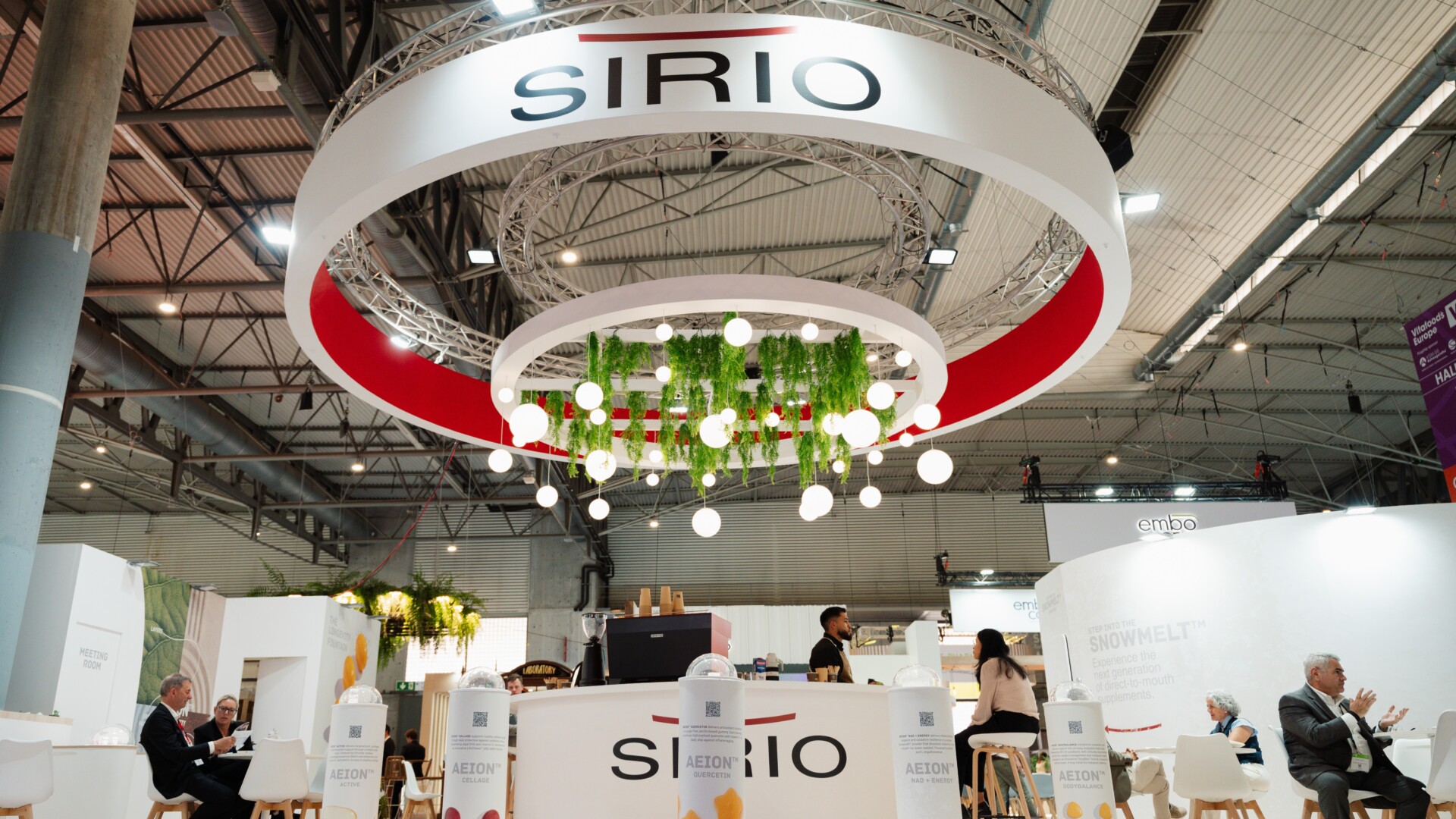
The booths themselves told the story: many went natural, with warm wood, raw timber, organic palettes and plants to signal sustainability. Science-led companies chose sleek, high-tech stands. Others built for experience, with café-style meeting spaces, hospitality hubs and large product walls.
What this means for your brand
The brands that win next will move fast, prove their quality and make products people enjoy taking. Five moves stand out:
- Think across categories. A collagen gummy can sit on a beauty shelf, a pharmacy shelf and a gym bag. Plan your claims and positioning so they travel.
- Design for GLP-1 users now. Muscle preservation, protein density and digestive comfort are the needs to build around. The window to own this space is open today.
- Start from clean label. Review every excipient, colour and sweetener before you brief a formulation, not after.
- Win on experience. Taste, texture and swallowability drive repeat purchase as much as the active ingredient does.
- Ask your partner for proof. Look for traceability, a strong regulatory record, multi-region supply and packaging that is ready for new EU recyclability rules.
Let’s build what’s next
CPHI Milan 2026 showed an industry in motion. Categories are converging, and expectations are rising on every front: science, sustainability and taste.
At SIRIO Europe, we have helped brands turn trends like these into products for more than 30 years. If you are exploring new concepts for your product range, our team would love to talk.
Related articles
SIRIO Europe launches Creatine+ as creatine moves from the sports aisle into everyday wellness
New General Manager for SIRIO Europe as CDMO sharpens its European growth strategy
PPWR – the EU’s packaging rules have changed and here’s what it means for supplement packaging
Pop. Fizz. Done: SIRIO Europe launches full FizzyBits™ portfolio, redefining on-the-go supplementation
Vitafoods 2026: The Trends That Mattered (and One That Didn’t)