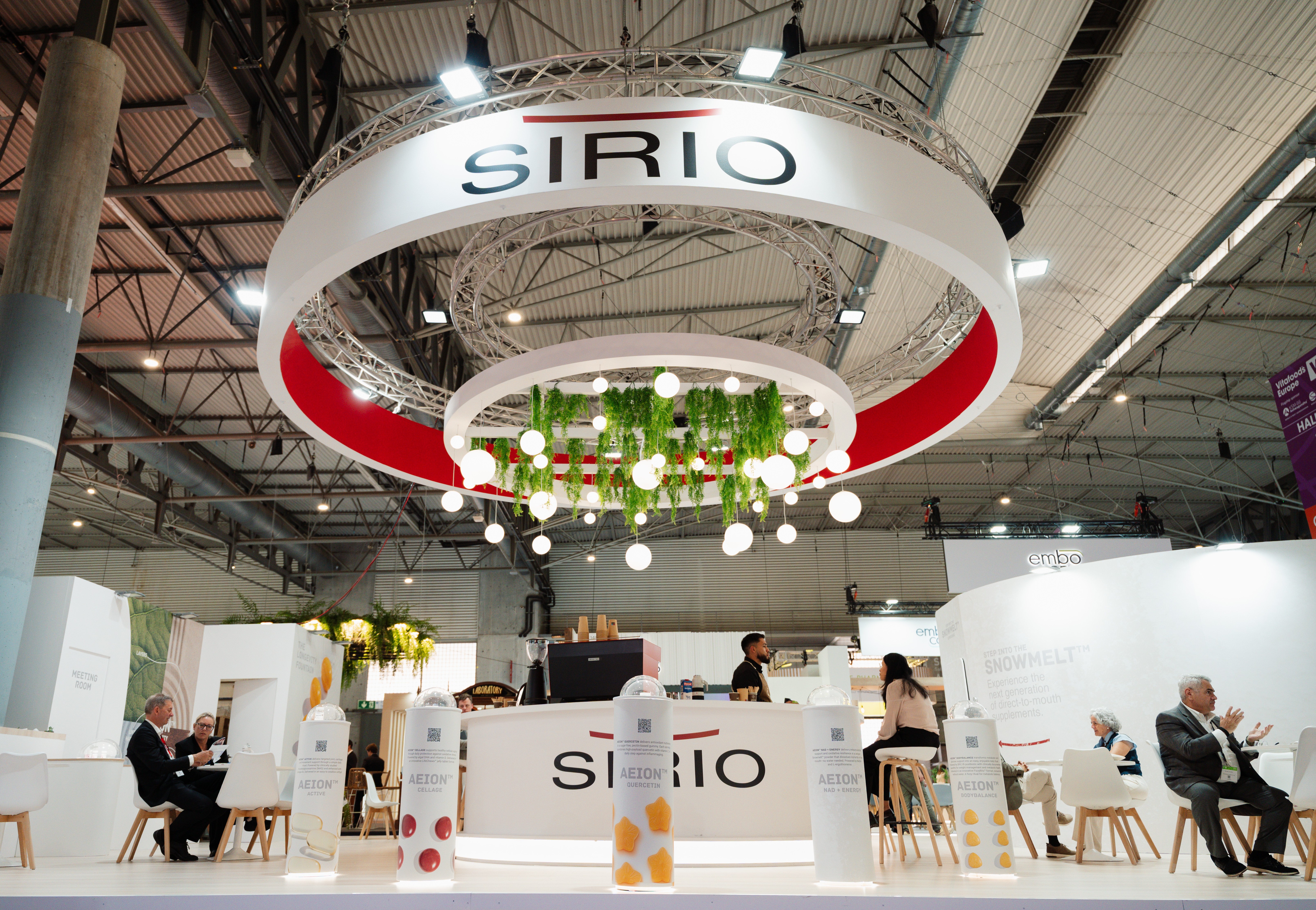
Vitafoods 2026: The Trends That Mattered (and One That Didn’t)
Vitafoods has spent three decades connecting the global nutraceutical supply chain — the ingredient makers, contract manufacturers, packaging innovators, and delivery format specialists that sit behind every supplement on the shelf. Since moving from Geneva to Barcelona, the show has taken on a new energy: bigger, more vibrant, and unmistakably hospitality-driven. This year’s edition was no different.
What was different, though, was the sense of maturity on the floor. The trends weren’t new — they were graduating. Categories that were once exciting emerging spaces are now table stakes. And the conversations happening between companies and their partners reflected that shift entirely.
Here’s what stood out.
The Big Picture: A Show That Reflects an Industry Growing Up
If there’s one meta-observation from Vitafoods 2026, it’s this: the show keeps expanding because the broader nutraceutical and functional food category keeps expanding. More companies, more ingredients, more delivery formats, more product categories — and crucially, a much more mainstream consumer on the other end of all of it.
The in-person experience itself has become more valued, not less, in the post-COVID era. People attend the conference sessions more intentionally. Brands use the floor to have transparent, face-to-face conversations with their customers. And the satellite events, happy hours, and casual connections that happen around the show are no longer just perks — they’re part of the point.
There’s a real irony there that connects to one of the show’s biggest themes: human connection, it turns out, is one of the most important factors in longevity. More on that in a moment.
Longevity: The Trend With Legs
Longevity was impossible to miss. It showed up across booths, in conference sessions, on promotional banners, and in product positioning throughout the show. And unlike some trends that make a splash and fade, this one feels genuinely durable.
The terminology has evolved — from anti-aging (nobody wants to be “anti”) to healthy aging (still a bit of a wince) to longevity — and now it aligns neatly with the concept of health span: not just living longer, but living better, for longer. That shift in framing has unlocked a much wider range of products and ingredients that can credibly play in the space. Antioxidants. Multivitamins. Proteins. All are being repositioned around this idea.
What’s driving mainstream adoption faster than expected? Younger generations. Consumers in their 20s and 30s are already thinking about preservation — taking creatine to protect muscle tone, calcium for bone health, making incremental investments across their health before the problems emerge. This is a cohort that grew up with information transparency and takes it seriously. They know what their parents didn’t know at their age, and they’re acting on it.
The challenge remains the same as it’s always been: with longevity supplements, the best outcome is that nothing happens. There’s no immediate, tangible signal that it’s working — unlike, say, an energy product where the effect is felt within the hour. This makes the communication job hard, but it doesn’t make the category any less important or any less real.
One fascinating dimension raised at this year’s show: the link between mood, social connection, and longevity. Research from institutions like King’s College London is reinforcing what the data has been suggesting — loneliness shortens lifespan. Social connection extends it. Joy matters. The joy you take from your work, your relationships, your daily interactions — this isn’t soft science anymore. It has real implications for health span. Which, in an unexpected way, is an argument for industry events like Vitafoods itself.
The Science Shift: Clinically Validated Is No Longer Optional
One of the most noticeable changes on the show floor this year was how prominently ingredient companies were showcasing their clinical evidence. Not buried in a brochure — front and centre, in large format banners. Terms like clinically validated and science-based were everywhere.
This reflects something happening at the consumer level. People want proof. And increasingly, the science is actually there to provide it. The research landscape for nutritional ingredients is evolving: studies are moving beyond small cohorts done in narrowly defined populations, toward larger, decentralised trials conducted in real target populations, in real time. Regulatory agencies in many markets are actively encouraging this. AI and data analysis are being applied to make sense of the results.
The practical implication is significant: brands that can point to robust, well-designed evidence for their ingredients are going to have a meaningful advantage. The expectation is no longer just a nice-to-have — it’s becoming a baseline requirement.
Women’s Health: From Trend to Expectation
A few years ago, women’s health was a rising trend. Now it’s an expectation. Attendees and exhibitors alike noted that you simply expect women’s health to have a strong presence at Vitafoods — and it does. The category has deepened, with more nuanced solutions rather than a blanket label.
What’s exciting about where this is heading: research is finally beginning to study female physiology with the rigour it deserves. Solutions are being developed for women’s specific health needs, not adapted from research done primarily on male subjects. The space still has enormous room to grow — more products, more science, more leadership in the field driving it forward.
Mental Wellness: Not Going Anywhere
Mental wellness has been a growing category since COVID accelerated it. The important thing to understand is that this growth isn’t a spike that’s correcting — it’s a sustained trend that reflects something real about how people are living. Uncertainty, stress, complex life stages, caregiving pressures: these aren’t going away.
The supplement response is natural products for everyday anxiety and mood support — not pharmaceutical-grade interventions, but accessible, natural options with a credible evidence base. The consumer appetite is there. The challenge for brands is meeting it with products that can actually demonstrate efficacy.
Delivery Format Innovation: The Most Exciting Category on the Floor
If longevity was the big ideas trend, delivery formats were the most tangible source of innovation at this year’s show — and probably the area where the most creativity was on display.
The shift away from “big handful of pills” is real and accelerating. Consumers want their nutrition, but they want it in forms that fit into their lives: convenient, enjoyable, and effective. What’s happening now goes well beyond gummies (though gummies are still very much relevant).
Gummies and beyond
Gummies remain popular, but their known limitation — relatively low ingredient payload — is being addressed through adjacent innovation. Jelly tablets like the LifeChews™, for example, offer a similar texture experience but with significantly higher payload capacity, including for oil-based ingredients like Omega-3s. Getting 250mg of DHA into a single jelly tablet is the kind of achievement that changes the product category conversation.
Direct-to-Mouth Powders
Probably the most interesting format evolution on the floor. The concept isn’t new — small powder sachets you put directly in your mouth, no water required — but the execution has historically been poor. Chalky, unpleasant textures have held the format back. New processing approaches are creating ultra-fine particle sizes that dissolve almost instantly, making the experience genuinely pleasant. Pair that with smart packaging (snap-top formats designed for pour-directly-in-mouth use) and you have a delivery system that’s both convenient and enjoyable.
Hydration and Electrolytes
Electrolyte products are everywhere, and the category shows no signs of slowing. The consumer awareness around hydration is high. The more interesting angle is when hydration becomes occasion-specific and punctual — products you reach for on hard training days or long travel days, rather than a daily supplement commitment. Even frozen formats made an appearance, with electrolyte ice pops offering a genuinely fun and functional format for warm-weather hydration.
The Overhyped: GLP-1 Support Products
Ask anyone on the floor what was most overhyped at this year’s Vitafoods, and the answer comes back almost universally the same: GLP-1 support products.
The category attracted enormous attention on the back of the pharmaceutical GLP-1 boom, but the regulatory picture is genuinely unclear and getting murkier. Expect to see significant contraction here over the next one to two years as regulatory agencies clarify what can and can’t be claimed, and as the peptide landscape is brought under tighter scrutiny.
The Underrated: Sports Nutrition
Conversely, sports nutrition didn’t get the showcase it arguably deserved given how mainstream the category has become. There are real, underserved consumer needs in this space — particularly as sports nutrition intersects with longevity (creatine for muscle preservation across age groups) and women’s health. The white space is there for brands willing to go beyond the traditional athlete positioning.
What Brands Should Take Away
The most useful framing from this year’s show isn’t about chasing specific ingredients or formats. It’s about building the conditions for durable innovation.
That means looking for the science — genuine, robust clinical evidence — not just the trend. It means finding market white space and understanding your target consumer’s actual unmet needs. It means going beyond the trend cycle and building products that will genuinely improve health outcomes, not just ride a wave.
And it means building diverse teams. Whether in the research lab or the boardroom, the evidence is clear: diverse perspectives produce better innovation and better business results.
Curious about what longevity, hydration, or next-generation delivery formats could look like for your brand? Explore our latest innovations at our dedicated Vitafoods webpage.
Related articles
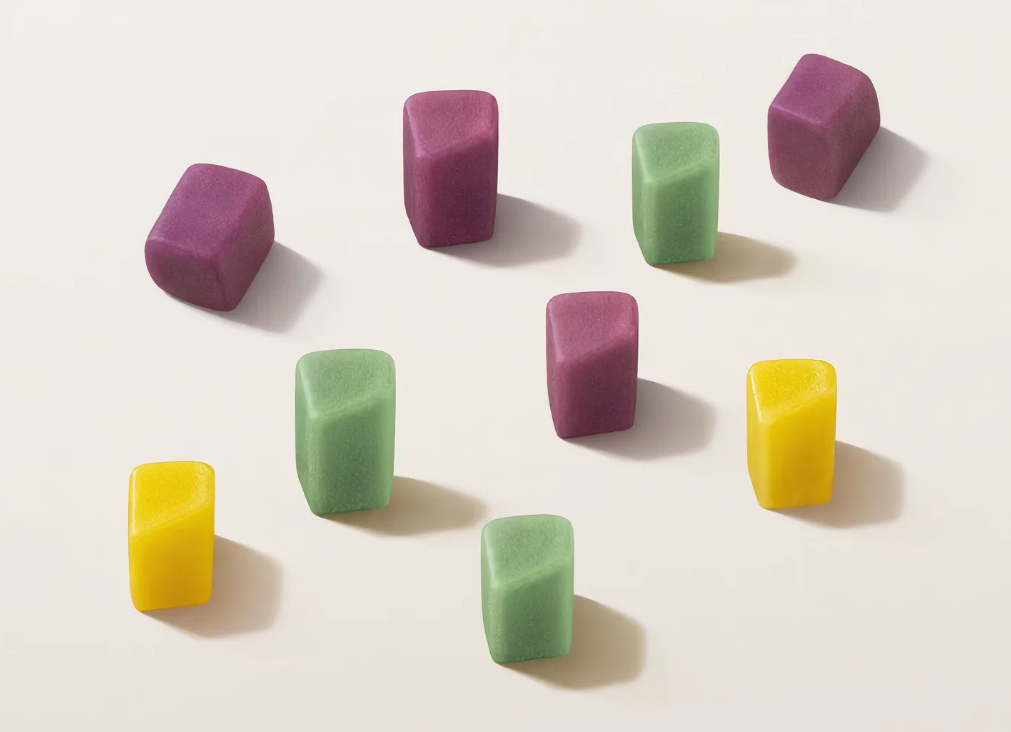
SIRIO Europe launches Creatine+ as creatine moves from the sports aisle into everyday wellness

New General Manager for SIRIO Europe as CDMO sharpens its European growth strategy
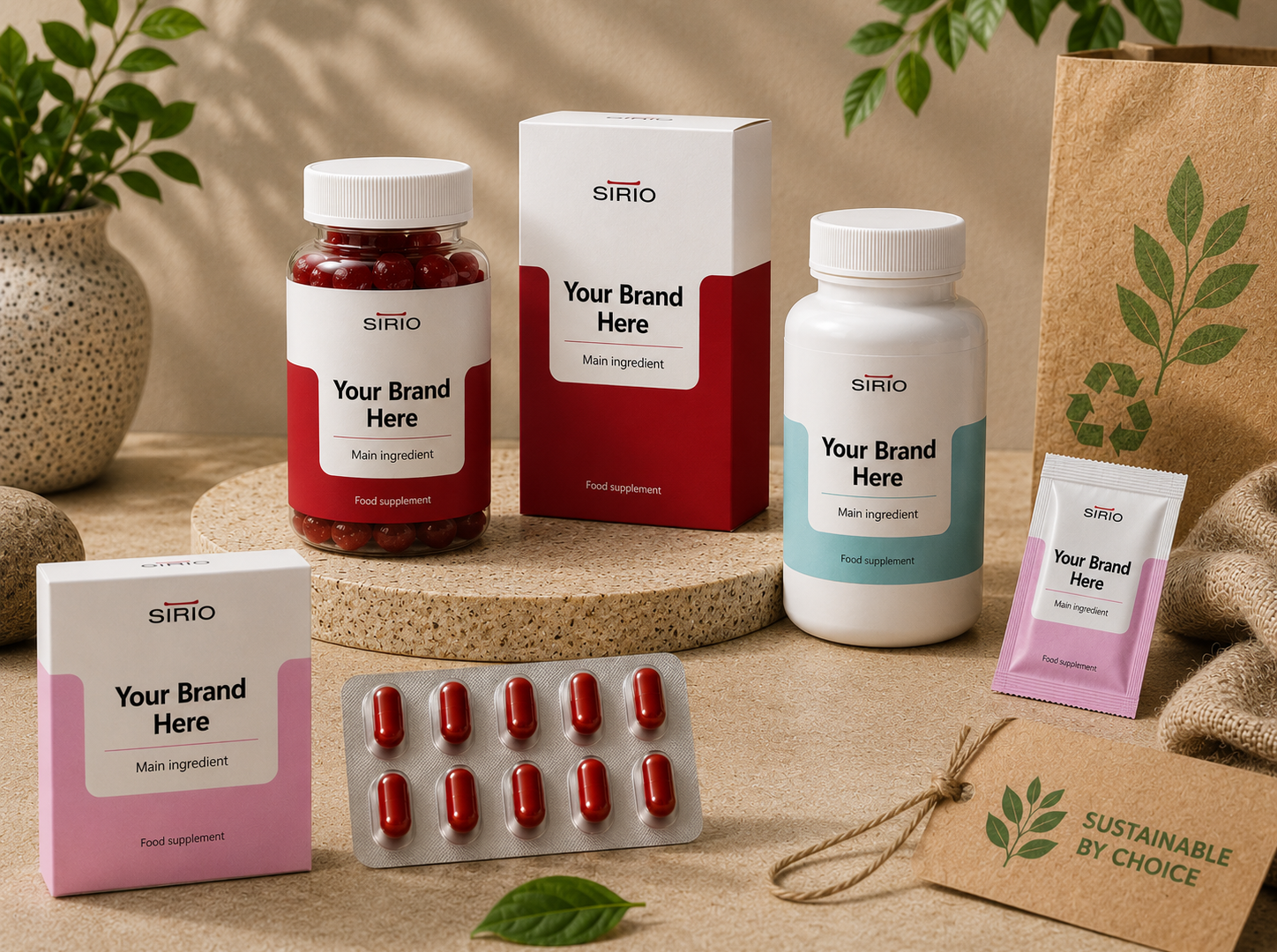
PPWR – the EU’s packaging rules have changed and here’s what it means for supplement packaging
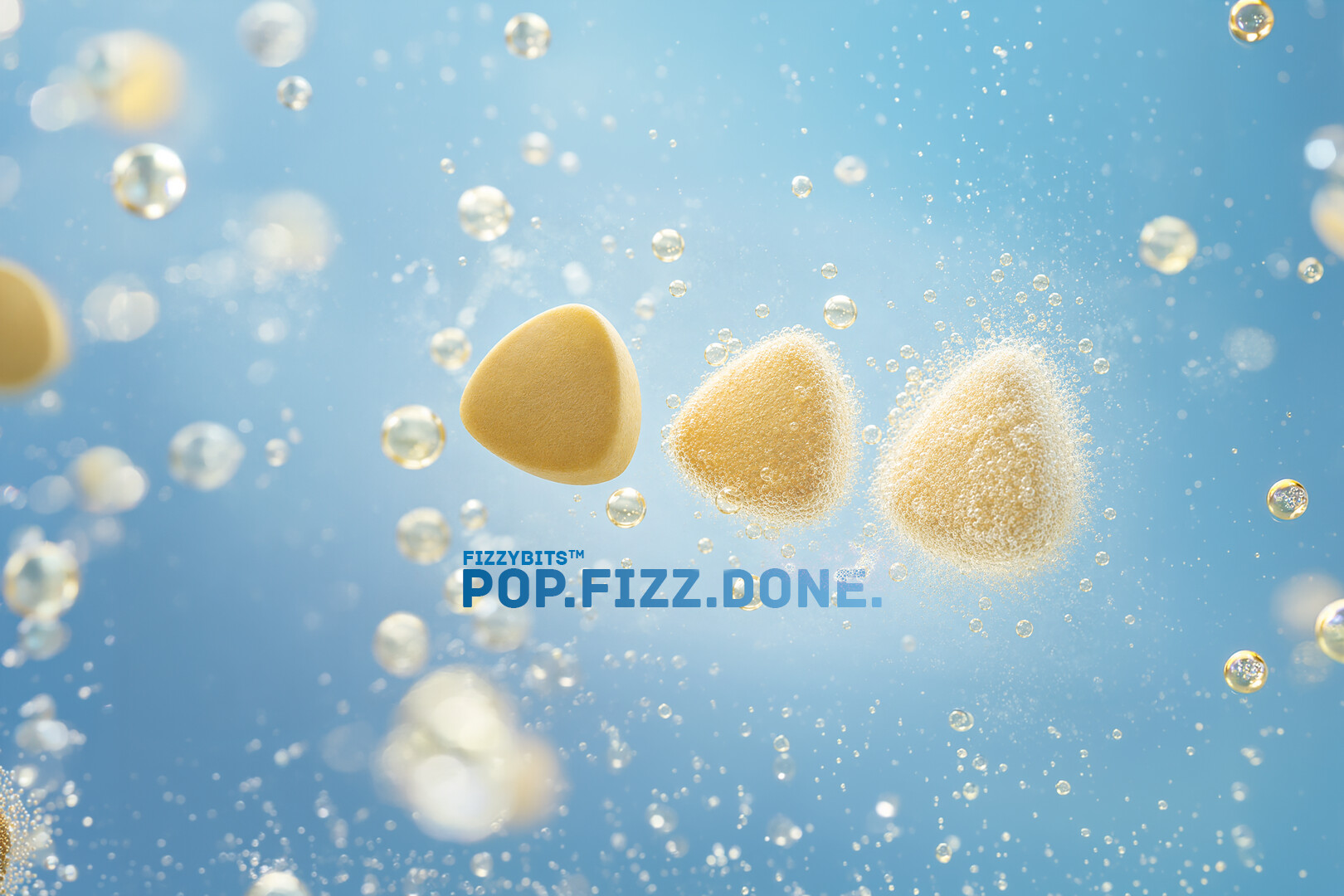
Pop. Fizz. Done: SIRIO Europe launches full FizzyBits™ portfolio, redefining on-the-go supplementation

A SIRIO Guide to Barcelona: Where to Eat, Drink, and Enjoy the City During Vitafoods Europe